 Call Us :
08071792530
Call Us :
08071792530
Call Us :
08071792530
Call Us :
08071792530

 Send Inquiry
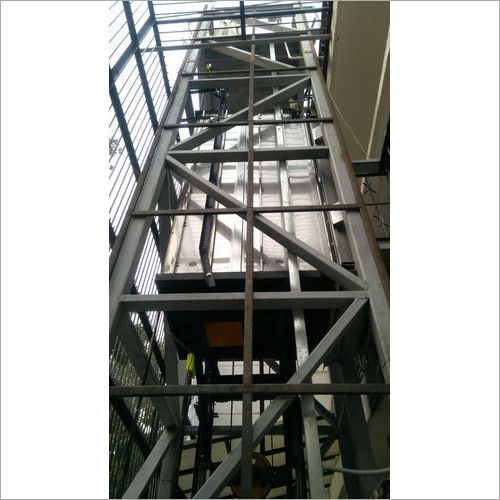
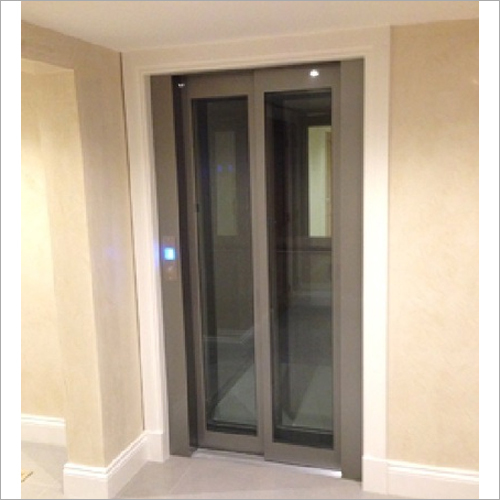
Structural Shaft Passenger Lift
Price 850000 INR/ Bale
MOQ : 1 Piece
Structural Shaft Passenger Lift Specification
- Material
- Stainless Steel
- Drive Type
- Hydraulic
Structural Shaft Passenger Lift Trade Information
- Minimum Order Quantity
- 1 Piece
- Payment Terms
- Cash Advance (CA), Cash in Advance (CID)
- Supply Ability
- 50 Pieces Per Month
- Delivery Time
- 1 Months
- Main Export Market(s)
- Asia
About Structural Shaft Passenger Lift
| Machine Room | Without Machine Room |
| Usage/Application | Residential |
| Brand | Ample |
| Max Persons | 13 Persons |
| Machine Type | Geared |
| Cabin Finish | Stainless Steel |
| Door Style | Manual |
| Drive Type | Hydraulic |
| Warranty | 12 Months |
| AMC/After Sales Service | Provided |
A passenger lift, also known as a passenger elevator, is a vertical transportation system designed to carry people between different floors of a building. It consists of a lift car (or cabin) that travels within a dedicated shaft, and is typically driven by a traction (rope and pulley) or hydraulic mechanism. Passenger lifts are a fundamental part of building infrastructure, especially in multi-story structures, facilitating efficient and safe movement of people.
Key Components and Features:
-
The enclosed space where passengers travel.
-
The vertical passage or enclosed structure within which the lift car moves.
-
Traction (cable and pulley) or hydraulic systems are common, with traction systems often preferred for taller buildings due to their efficiency and speed.
-
Typically automatic, center-opening or telescopic doors on both the lift car and the shaft landings, ensuring safety and accessibility.
-
Sophisticated electronic controls manage lift operation, including speed, direction, and safety features like emergency braking and door controls.
-
Passenger lifts are equipped with numerous safety mechanisms, such as emergency brakes, overspeed governors, and door interlocks, to prevent accidents and ensure passenger safety.
Typical Applications:
-
Essential for transporting people between floors in offices, residential buildings, shopping centers, and other structures.
-
Provide convenient access for individuals with mobility impairments, especially when combined with platform lifts.
-
Traction elevators, with their speed and ability to service taller structures, are crucial for vertical transportation in high-rise buildings.
-
Specialized lifts designed to accommodate beds or stretchers, along with attendants, are crucial for patient transport.
Structural Considerations:
-
The lift shaft must be designed to withstand the loads imposed by the lift car, passengers, and the driving mechanism, and it needs to be structurally sound and aligned to ensure smooth operation.
-
The pit, located at the bottom of the shaft, needs to be deep enough to accommodate the lift car at its lowest level and to house safety components.
-
While machine-room-less elevators are becoming increasingly common, some lift systems still require a separate machine room for the motor and control equipment.
-
Lift loads, including the weight of the lift car, passengers, and the mechanism, need to be considered in the overall structural design of the building.
-
Shafts can be constructed from various materials, including concrete, steel, and timber, depending on the building type and design requirements.
Tell us about your requirement

Price:
Quantity
Select Unit
- 50
- 100
- 200
- 250
- 500
- 1000+
Additional detail
Mobile number
Email

More Products in Passenger Elevator Category
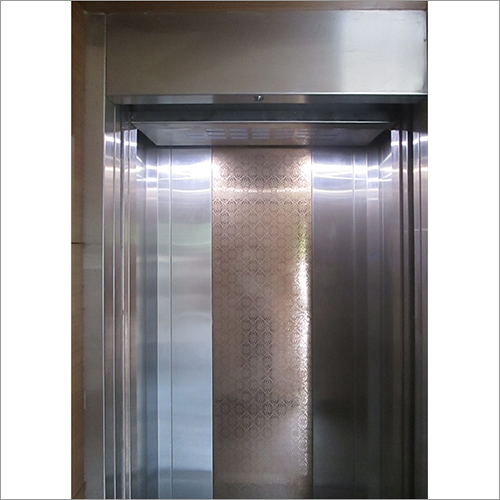
SS Passenger Lift
Price 700000.00 INR / Piece
Minimum Order Quantity : 1 Piece
Drive Type : Hydraulic
Material : Stainless Steel
Safety Device : Safety Sensor
Power Supply : 220440 V
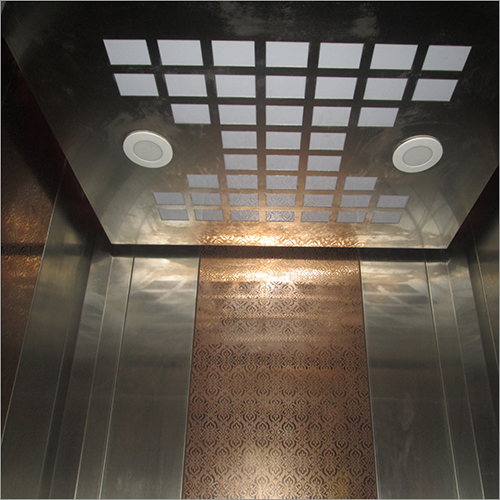
Modern Decorative Stainless Steel Design Passenger Lift
Price 700000.00 INR / Piece
Minimum Order Quantity : 1 Piece
Drive Type : Hydraulic
Material : Stainless Steel
Safety Device : Safety Sensor
Power Supply : 220440 V
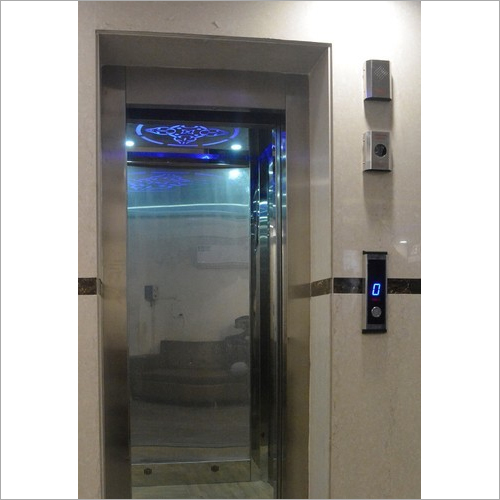
Single Phase Home Lift
Price 600000.00 INR / Piece
Minimum Order Quantity : 1 Piece
Drive Type : Hydraulic
Material : Stainless Steel
Safety Device : Safety Sensor
Power Supply : 220440 V
Passenger Elevator Apmple B
Price 700000.00 INR / Piece
Minimum Order Quantity : 1 Piece
Drive Type : Hydraulic
Material : Stainless Steel
Safety Device : Safety Sensor
Power Supply : 220440 V

We are dealing our products in Faridabad, Haryana, Delhi, NCR only.

Products
AMPLE ELEVATOR
GST : 06APNPS1416E1ZZ

- B-11, First Floor, Shopping Complex, DLF Industrial Area, Phase-1, Faridabad - 121003, Haryana, India
- Phone : 08071792530

- Mr Ajit Singh (Proprietor)
- Mobile : 08071792530
-
 Send Inquiry
 Send Inquiry
 Send Inquiry
 Send SMS
AMPLE ELEVATOR
All Rights Reserved.(Terms of Use)
Developed and Managed by Infocom Network Private Limited.
Developed and Managed by Infocom Network Private Limited.
